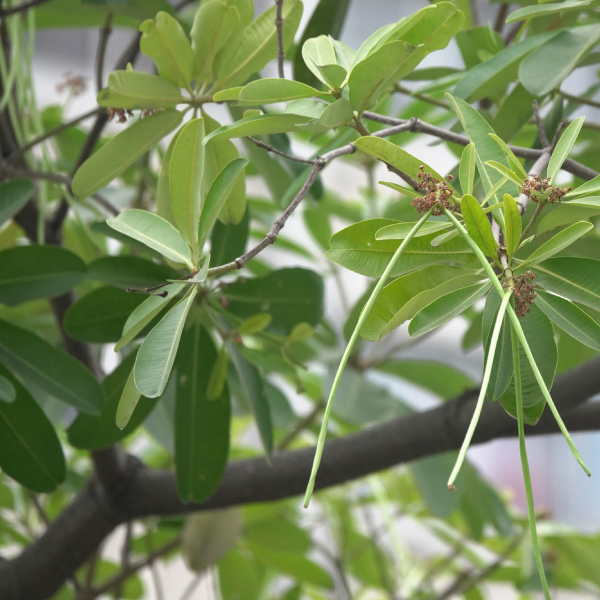
Saptparni Tree
The Saptparni tree absorbs carbon dioxide and releases oxygen, contributing significantly to improving air quality.
What you get ?
- Certificate
- Clean Air
- GeoTag
- Carbon Credit
- Pollution free environment
Interested in Adopting?
We don't process direct transactions online. Connect with our team via WhatsApp to discuss adopting this tree and joining our initiatives.
About The Saptparni Tree
The Saptparni Tree (Alstonia scholaris), also known as the Indian Devil Tree or White Cheese Tree, is a significant species that has been revered for centuries due to its multiple benefits. Native to the Indian subcontinent and Southeast Asia, this evergreen tree has medicinal, environmental, and cultural importance. Below are the key benefits that make the Saptparni Tree a valuable resource for both nature and human health.
Benefits of the Saptparni Tree
The Saptparni Tree (Alstonia scholaris) offers a wide range of environmental and ecological benefits that play a vital role in sustaining both human and environmental health. Here are the key benefits of this remarkable tree:
- Generates Oxygen : The Saptparni tree contributes significantly to improving air quality by absorbing carbon dioxide and releasing oxygen during photosynthesis. Its presence helps increase the oxygen supply in the surrounding area, making it beneficial for both urban and rural environments.
- Canopy Cover : With its large and dense canopy, the Saptparni tree provides shade and protection from the harsh sun. This canopy helps in cooling the surrounding environment, reducing the heat island effect in urban areas, and offering respite from high temperatures for people and animals.
- Carbon Absorption : The Saptparni tree is an effective carbon sink, absorbing carbon dioxide from the atmosphere and reducing the overall concentration of greenhouse gases. By sequestering carbon, it helps mitigate the effects of global warming and contributes to the fight against climate change.
- Air Pollution Removal : Saptparni trees are natural air purifiers. They filter pollutants such as dust, particulate matter, and toxic gases like sulfur dioxide and nitrogen oxide. This capability helps reduce air pollution levels, contributing to a cleaner and healthier environment for humans and wildlife alike.
- Potential Rains : The Saptparni tree has an important role in promoting the hydrological cycle. It helps increase local humidity through transpiration, which can contribute to rainfall in the surrounding area, improving water availability and supporting the growth of other vegetation.
- Supports the Ecosystem: The Saptparni tree is an integral part of the ecosystem. Its roots help prevent soil erosion, while its leaves and flowers provide sustenance to various species of birds, insects, and animals. By supporting local biodiversity, the tree helps create a balanced and thriving environment.
- Protects the Ozone Layer : Through its contribution to reducing carbon dioxide levels and air pollution, the Saptparni tree indirectly supports efforts to protect the ozone layer. Lowering the concentration of greenhouse gases helps mitigate the factors that lead to the depletion of the ozone layer, protecting the Earth from harmful UV rays.
- Long Life Span : The Saptparni tree is known for its long lifespan, often surviving for many decades or even over a century. This long life ensures that the environmental benefits it offers, such as oxygen generation, carbon sequestration, and air purification, continue for a prolonged period, making it a sustainable asset for the environment.
Key Features of the Saptparni Tree
The Saptparni Tree (Alstonia scholaris), also known as the Indian Devil Tree or White Cheese Tree, is a large evergreen tree native to the Indian subcontinent and Southeast Asia. Known for its ecological importance and medicinal properties, the Saptparni tree has several distinct features that make it an asset to the environment and local communities. Below are the key features of this remarkable tree:
- Tall and Majestic Size
- Dense Canopy
- Strong and Deep Roots
- Evergreen Leaves
- White Flowers
- Fruits and Seeds
- Medicinal Properties
- Hard, Durable Wood
- Tolerance to Harsh Conditions
- Cultural and Spiritual Significance
- Biodiversity Support
- Longevity
Social Impact of the Saptparni Tree
The Saptparni Tree (Alstonia scholaris) has a profound social impact on local communities, contributing in numerous ways beyond its environmental and spiritual significance. Its role in promoting health, supporting economic activities, and fostering community well-being makes it an integral part of social life, particularly in regions where it is abundant. Below are the key ways in which the Saptparni tree positively impacts society:
- Medicinal Benefits for Communities
- Economic Contribution through Resource Use
- Promoting Community Health
- Promoting Environmental Awareness and Education
- Community Cohesion and Spiritual Unity
- Support for Local Biodiversity and Ecosystem Services
- Improving Urban Living Conditions
- Fostering Traditional Knowledge and Cultural Preservation
Conservation and Protection of the Saptparni Tree
The Saptparni tree (Alstonia scholaris) plays an essential role in maintaining ecological balance, and its benefits extend beyond the environment to the social, cultural, and economic spheres. Due to its multifaceted value, it is crucial to focus on its conservation and protection to ensure it continues to provide these benefits for generations to come. As urbanization, deforestation, and climate change pose increasing threats to plant biodiversity, safeguarding the Saptparni tree becomes imperative. Below are key strategies for conserving and protecting the Saptparni tree:
- Awareness and Education Campaigns
- Legal Protection and Regulations
- Planting and Reforestation Programs
- Protecting Natural Habitats
- Involving Local Communities in Conservation Efforts
- Sustainable Harvesting Practices
- Enhancing Research and Documentation
Impact of your Tree
Releases Oxygen
A mature tree produces around 120 kilograms of oxygen per year, which is sufficient for one human per year.
Reduces Air Pollution
A tree absorbs harmful gases like CO2, NO2 released by factories and vehicles, which can have serious health problems for us
Removes CO2
A Tree removes 22 KGs of CO2 from atmosphere per year, which is equivalent to the CO2 realeased by a human in 10 days.
Cooling Effect
A Tree generates cooling effect of around 10 room size ACs by providing shade and through a process of transpiration.
Explore Other Species
Every tree plays a unique role in our ecosystem.
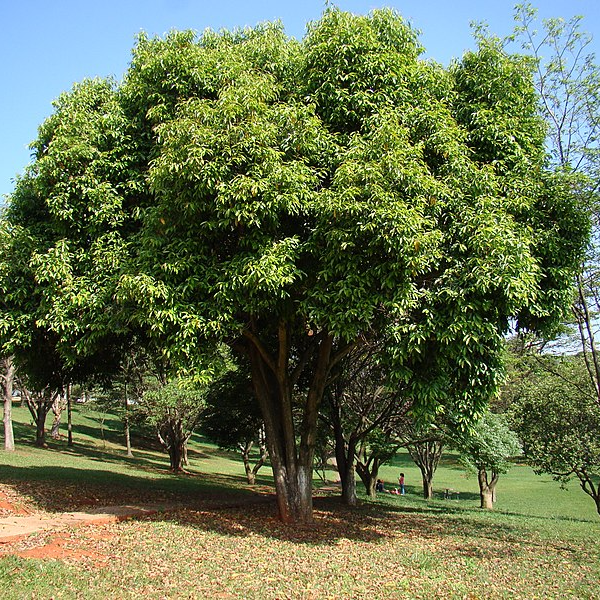
Janbun Tree
The Janbun tree, known for its remarkable environmental and cultural importance, is a valuable addition to the natural ecosystem. Revered for its lush canopy and ecological benefits, this tree plays a critical role in improving air quality, supporting biodiversity, and contributing to sustainability. Its robust nature and adaptability make it a preferred choice for reforestation, urban greenery, and community driven planting initiatives.
Adopt a Janbun Tree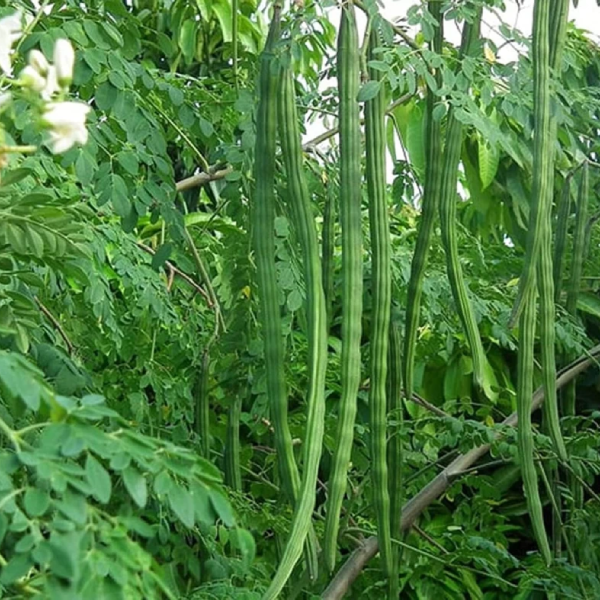
Moringa ( Sahjan ) Tree
The Moringa tree, also known as Sahjan in Hindi, Drumstick Tree, or Moringa oleifera, is a versatile and fast growing tree native to the Indian subcontinent. Renowned for its numerous health benefits and ecological contributions, the Moringa tree has earned its title as the "Tree of Life." Its every part leaves, seeds, pods, flowers, and bark is beneficial to both humans and the environment. The Moringa (Sahjan) tree is a remarkable gift from nature, offering a multitude of benefits for health, the environment, and society. Its role in combating climate change, improving nutrition, and supporting biodiversity makes it a vital tree for both current and future generations.
Adopt a Moringa ( Sahjan ) Tree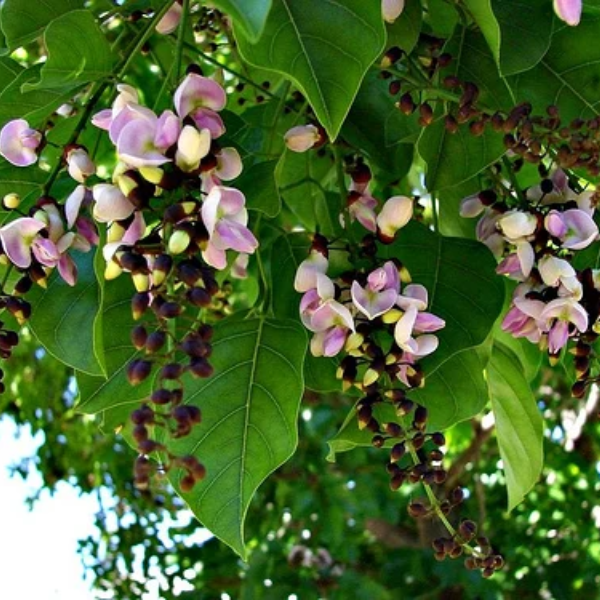
Karanj ( Kaanji ) Tree
The Karanj tree (Pongamia pinnata), also known as Kaanji in certain regions, is a medium to large sized deciduous tree that is native to the Indian subcontinent and parts of Southeast Asia. Recognized for its numerous environmental, medicinal, and economic benefits, the Karanj tree is a versatile and valuable addition to the landscape. Its resilience to a variety of climatic conditions and its ability to thrive in poor soils make it an essential tree for sustainable development and environmental restoration.
Adopt a Karanj ( Kaanji ) Tree