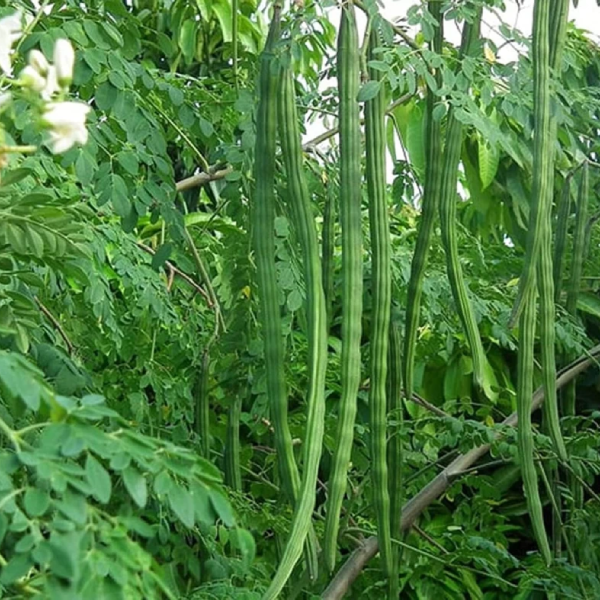
Moringa ( Sahjan ) Tree
The Moringa tree, also known as Sahjan in Hindi, Drumstick Tree, or Moringa oleifera, is a versatile and fast growing tree native to the Indian subcontinent. Renowned for its numerous health benefits and ecological contributions, the Moringa tree has earned its title as the “Tree of Life.” Its every part leaves, seeds, pods, flowers, and bark is beneficial to both humans and the environment. The Moringa (Sahjan) tree is a remarkable gift from nature, offering a multitude of benefits for health, the environment, and society. Its role in combating climate change, improving nutrition, and supporting biodiversity makes it a vital tree for both current and future generations.
What you get ?
- Certificate
- Clean Air
- GeoTag
- Carbon Credit
- Pollution free environment
Interested in Adopting?
We don't process direct transactions online. Connect with our team via WhatsApp to discuss adopting this tree and joining our initiatives.
About The Moringa ( Sahjan ) Tree
The Moringa tree, also known as Sahjan in Hindi, Drumstick Tree, or Moringa oleifera, is a versatile and fast growing tree native to the Indian subcontinent. Renowned for its numerous health benefits and ecological contributions, the Moringa tree has earned its title as the "Tree of Life." Every part of leaves, seeds, pods, flowers, and bark benefits humans and the environment.
Benefits of the Moringa Tree
The Moringa tree is a powerhouse of benefits, not only for humans but also for the ecosystem: Below are its common benefits:
- Generates Oxygen : Like all green plants, Moringa contributes to oxygen generation, improving air quality and supporting life.
- Canopy Cover: The tree provides a wide canopy that offers shade and shelter to many animals and plants.
- Carbon Absorption: Moringa trees absorb carbon dioxide, playing a role in reducing greenhouse gases.
- Air Pollution Removal: The tree filters airborne pollutants, contributing to cleaner and healthier air.
- Potential for Inducing Rainfall: Through transpiration, Moringa adds moisture to the air, aiding the water cycle and potentially inducing rain.
- Supports the Ecosystem: The Moringa tree supports biodiversity by providing food and habitat for birds, insects, and other wildlife.
- Protects the Ozone Layer: By reducing greenhouse gases and pollutants, the Moringa tree contributes to protecting the ozone layer, essential for shielding the Earth from harmful UV radiation.
- Long Life Span: The Moringa tree is drought-resistant and can thrive for decades, ensuring its ecological and nutritional contributions persist for years.
Key Features of the Moringa Tree
- Fast Growing Nature: The Moringa tree grows rapidly, reaching maturity within just a few years.
- Drought Resistance: It thrives in arid and semi-arid conditions, making it ideal for areas with limited water resources.
- Edible and Medicinal Parts: From the leaves to the pods and seeds, every part of the tree is useful, whether as food, medicine, or oil.
- Soil Enrichment: Moringa enriches the soil by fixing nitrogen, which benefits neighboring plants and improves soil health.
Cultural and Spiritual Significance of the Moringa Tree
In Indian culture, the Moringa tree is considered sacred for its health benefits. It often features in traditional dishes like sambhar and is regarded as a symbol of life and vitality. Ancient Ayurvedic texts mention Moringa as a cure for over 300 ailments, showcasing its deep-rooted cultural and medicinal importance.
Social Impact of the Moringa Tree
The Moringa tree contributes significantly to communities:
- Food Security: Moringa’s nutrient rich leaves and pods are a vital food source in undernourished regions.
- Economic Value: Farmers and entrepreneurs benefit from Moringa cultivation through the sale of leaves, seeds, and oil.
- Employment Generation: Cultivation and processing of Moringa products provide job opportunities, particularly in rural areas.
Conservation and Protection of the Moringa Tree
Despite its resilience, the Moringa tree requires conservation efforts to ensure its sustainability. Promoting afforestation, protecting existing trees, and raising awareness about its ecological and nutritional value are crucial. Policies supporting Moringa cultivation can empower farmers and enhance environmental health.
Impact of your Tree
Releases Oxygen
A mature tree produces around 120 kilograms of oxygen per year, which is sufficient for one human per year.
Reduces Air Pollution
A tree absorbs harmful gases like CO2, NO2 released by factories and vehicles, which can have serious health problems for us
Removes CO2
A Tree removes 22 KGs of CO2 from atmosphere per year, which is equivalent to the CO2 realeased by a human in 10 days.
Cooling Effect
A Tree generates cooling effect of around 10 room size ACs by providing shade and through a process of transpiration.
Some Latest Article From Our Blog
Explore Other Species
Every tree plays a unique role in our ecosystem.
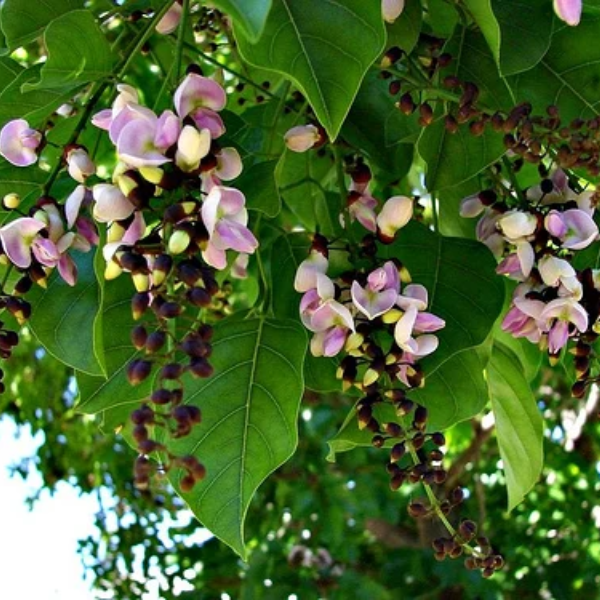
Karanj ( Kaanji ) Tree
The Karanj tree (Pongamia pinnata), also known as Kaanji in certain regions, is a medium to large sized deciduous tree that is native to the Indian subcontinent and parts of Southeast Asia. Recognized for its numerous environmental, medicinal, and economic benefits, the Karanj tree is a versatile and valuable addition to the landscape. Its resilience to a variety of climatic conditions and its ability to thrive in poor soils make it an essential tree for sustainable development and environmental restoration.
Adopt a Karanj ( Kaanji ) Tree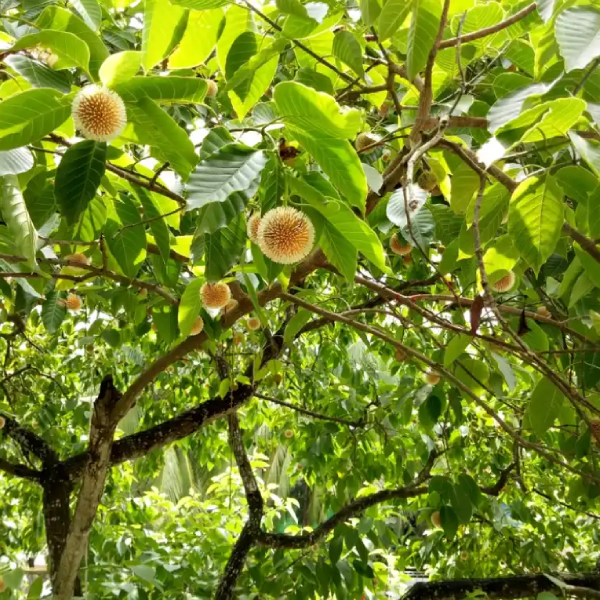
Kadam Tree
The Kadam Tree (Anthocephalus cadamba) is a fast growing, deciduous tree native to the tropical regions of Southeast Asia, including India. Known for its majestic stature, vibrant flowers, and numerous environmental benefits, this tree is a treasure for both nature and human society. The Kadam tree, also referred to as the Kadamba or Kadam tree, has long been recognized for its role in local ecosystems and its cultural significance.
Adopt a Kadam Tree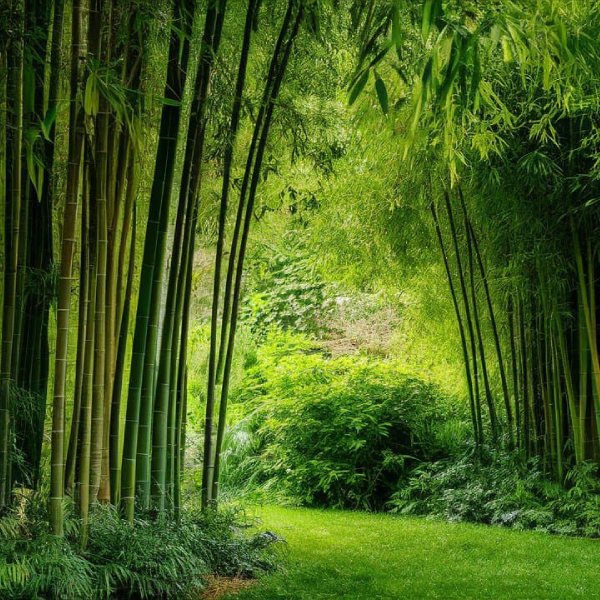
Bamboo Tree
Bamboo is often referred to as "Green Gold" for its exceptional environmental, economic, and cultural significance. This fast growing, woody grass belongs to the Poaceae family and is a renewable resource with a wide range of applications. From construction to food and textiles, bamboo serves as a sustainable alternative to many traditional materials.
Adopt a Bamboo Tree