Karanj ( Kaanji ) Tree
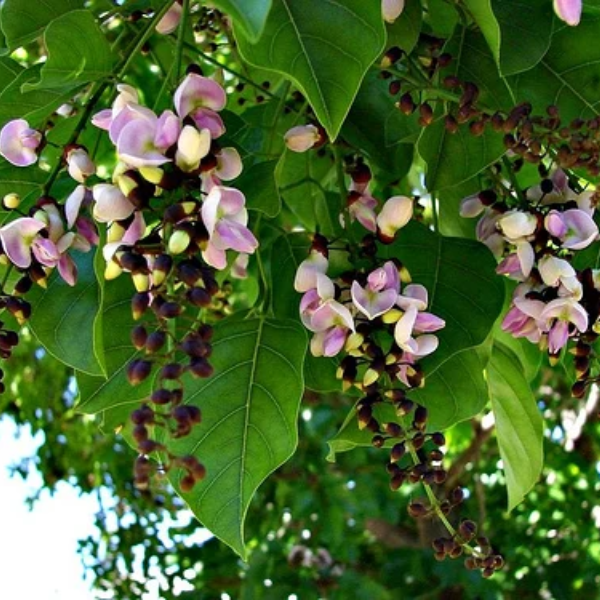
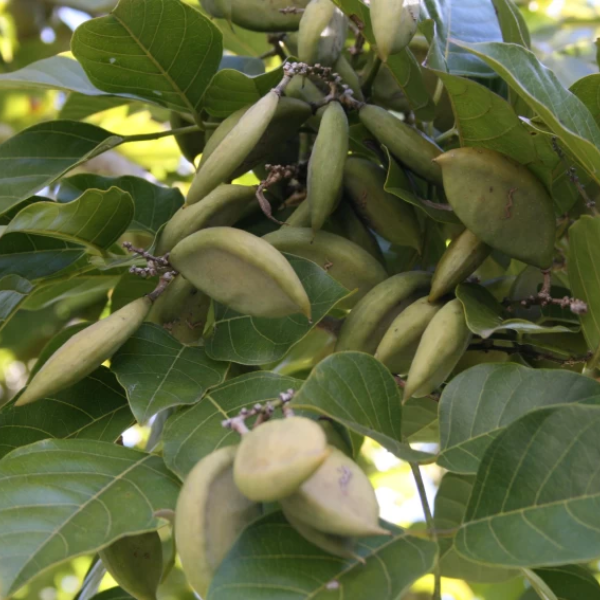
The Karanj tree (Pongamia pinnata), also known as Kaanji in certain regions, is a medium to large sized deciduous tree that is native to the Indian subcontinent and parts of Southeast Asia. Recognized for its numerous environmental, medicinal, and economic benefits, the Karanj tree is a versatile and valuable addition to the landscape. Its resilience to a variety of climatic conditions and its ability to thrive in poor soils make it an essential tree for sustainable development and environmental restoration.
What you get ?
- Certificate
- Clean Air
- GeoTag
- Carbon Credit
- Pollution free environment
Interested in Adopting?
We don't process direct transactions online. Connect with our team via WhatsApp to discuss adopting this tree and joining our initiatives.
About The Karanj ( Kaanji ) Tree
The Karanj Tree (Pongamia pinnata), also known as Kaanji in some regions, is a versatile and valuable tree species that offers a wide range of benefits for both the environment and society. Found primarily in tropical and subtropical regions, it has gained prominence for its ecological, medicinal, and economic advantages. This tree is not only a source of valuable resources but also plays a crucial role in environmental sustainability.
Benefits of the Karanj Tree
The Karanj tree is a strong supporter of local ecosystems. It helps preserve biodiversity by providing food and shelter for a wide range of wildlife, including birds, bees, and small mammals. Below are its common benefits:
- Generates Oxygen : The Karanj tree, like other green plants, undergoes photosynthesis, a process where it absorbs carbon dioxide and releases oxygen. This makes the Karanj tree a vital contributor to improving air quality and supporting life on Earth. By increasing oxygen levels in the atmosphere, it contributes to better respiratory health for humans and animals.
- Canopy Cover : The Karanj tree grows into a large, spreading tree with a dense canopy. This canopy offers shade, reducing the effects of heat and providing cooling benefits in urban and rural areas alike. The shade helps in lowering temperatures, making it an ideal tree for planting in hot climates and urban spaces
- Carbon Absorption : The Karanj tree is highly effective in absorbing carbon dioxide from the atmosphere and storing it in its biomass. This carbon sequestration helps mitigate the impacts of climate change by reducing the amount of CO2, a greenhouse gas, in the atmosphere. The tree contributes to long term environmental health by storing carbon both above and below ground.
- Air Pollution Removal: The Karanj tree is known to absorb various harmful pollutants, including sulfur dioxide, nitrogen oxides, and particulate matter. By acting as a natural filter, it helps purify the air, making it cleaner and healthier. This is especially important in urban areas where pollution levels tend to be high due to industrial activities and traffic.
- Potential for Inducing Rainfall: Trees like the Karanj play a crucial role in the water cycle by releasing moisture into the atmosphere through a process known as transpiration. This moisture, in turn, can help increase the likelihood of rainfall. By contributing to the atmospheric water cycle, the Karanj tree helps support the region's rainfall patterns, benefiting local agriculture and ecosystems.
- Supports the Ecosystem: The Karanj tree is an essential part of the local ecosystem, supporting biodiversity. Its flowers attract pollinators like bees and butterflies, and its seeds provide food for birds and small animals. The tree also offers shelter and nesting sites for various wildlife. By supporting biodiversity, it contributes to the overall health and balance of ecosystems.
- Protects the Ozone Layer: While not directly interacting with the ozone layer, the carbon sequestration capabilities of the Karanj tree can indirectly help mitigate the factors that contribute to ozone layer depletion. By reducing greenhouse gases in the atmosphere, the tree helps limit global warming and its associated impacts on the ozone layer.
- Long Life Span: The Karanj tree is known for its longevity, with some trees living for several decades, even centuries. This long life span means that it can provide long-term ecological benefits, including sustained oxygen production, carbon sequestration, and soil stabilization.
Key Features of the Karanj Tree
- Fast Growth: The Karanj tree is fast growing, capable of reaching maturity in just a few years. This makes it a valuable asset in reforestation and afforestation projects.
- Hardwood Timber: The wood of the Karanj tree is strong, durable, and resistant to termites, making it ideal for construction, furniture making, and other industrial applications.
- Nitrogen Fixing: The tree has the ability to fix nitrogen in the soil, improving soil fertility and benefiting surrounding plants. This makes it an excellent choice for agroforestry systems.
- Oil Rich Seeds: The seeds of the Karanj tree are rich in oil, which can be processed into biodiesel, making it an important renewable energy source. The oil also has medicinal properties, often used in traditional healing practices.
- Resilient to Drought: The Karanj tree is highly drought resistant, making it suitable for planting in arid and semi arid regions. It can survive in less than ideal soil conditions and helps restore degraded land.
Cultural and Spiritual Significance of the Karanj Tree
- In many cultures, the Karanj tree holds spiritual and cultural significance. In India, the tree is considered sacred in some traditions and is believed to have purifying and protective properties. The tree is also associated with health and healing in Ayurvedic medicine. Its seeds and oil are used for various treatments, including skin ailments and joint pain.
- The Karanj tree's flowering and fruiting cycles are important markers in traditional agricultural practices. In some communities, its presence is a symbol of prosperity and well being, and it is often planted near homes or temples for its spiritual benefits.
Social Impact of the Karanj Tree
- The Karanj tree offers numerous social benefits. Its ability to improve air quality and reduce the urban heat island effect makes it an invaluable asset in cities, contributing to better living conditions. Additionally, the tree’s timber and oil have economic importance in many rural communities, where the sale of these resources provides income to local farmers and artisans.
- Furthermore, the Karanj tree plays a key role in agriculture by improving soil health, enhancing crop yields, and providing a sustainable source of fuelwood. Its fast growth makes it ideal for agroforestry projects, contributing to the livelihoods of farmers and enhancing food security.
Conservation and Protection of the Karanj Tree
The Karanj (Kaanji) tree, also known scientifically as Pongamia pinnata, is a remarkable tree species that plays a crucial role in enhancing the environment and supporting biodiversity. As with many tree species, it is essential to ensure its conservation and protection due to the numerous ecological and social benefits it provides. Effective conservation efforts are necessary to preserve the Karanj tree for future generations.
Impact of your Tree
Releases Oxygen
A mature tree produces around 120 kilograms of oxygen per year, which is sufficient for one human per year.
Reduces Air Pollution
A tree absorbs harmful gases like CO2, NO2 released by factories and vehicles, which can have serious health problems for us
Removes CO2
A Tree removes 22 KGs of CO2 from atmosphere per year, which is equivalent to the CO2 realeased by a human in 10 days.
Cooling Effect
A Tree generates cooling effect of around 10 room size ACs by providing shade and through a process of transpiration.
Some Latest Article From Our Blog
Explore Other Species
Every tree plays a unique role in our ecosystem.
Neem Tree
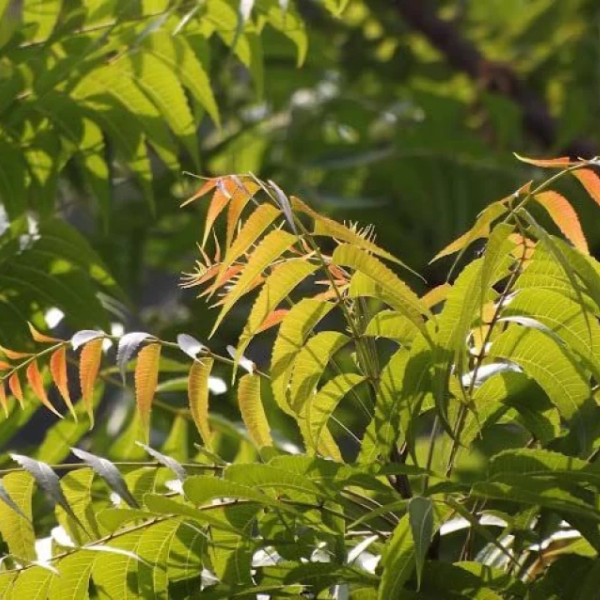
The Neem tree (Azadirachta indica) is a versatile and sustainable tree that has been revered for its medicinal, ecological, and cultural significance for centuries. Native to the Indian subcontinent, the Neem tree thrives in tropical and subtropical climates and is known for its ability to adapt to various environmental conditions. Often referred to as the "village pharmacy" due to its numerous health benefits, the Neem tree is an essential part of traditional medicine, agriculture, and sustainable development.
Adopt a Neem Tree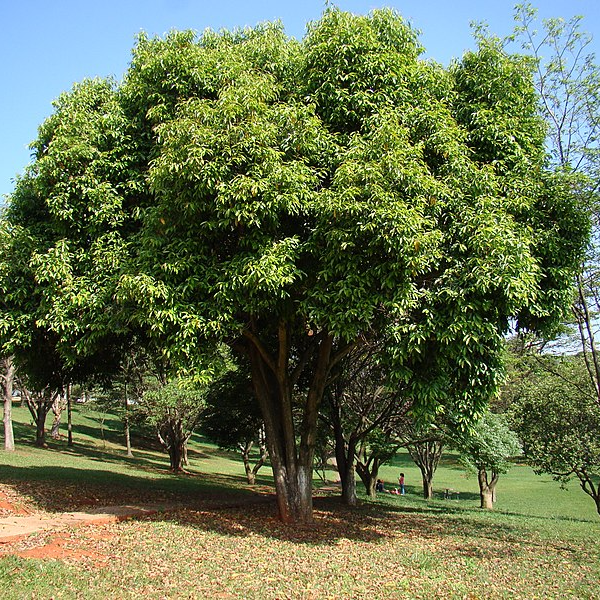
Janbun Tree
The Janbun tree, known for its remarkable environmental and cultural importance, is a valuable addition to the natural ecosystem. Revered for its lush canopy and ecological benefits, this tree plays a critical role in improving air quality, supporting biodiversity, and contributing to sustainability. Its robust nature and adaptability make it a preferred choice for reforestation, urban greenery, and community driven planting initiatives.
Adopt a Janbun Tree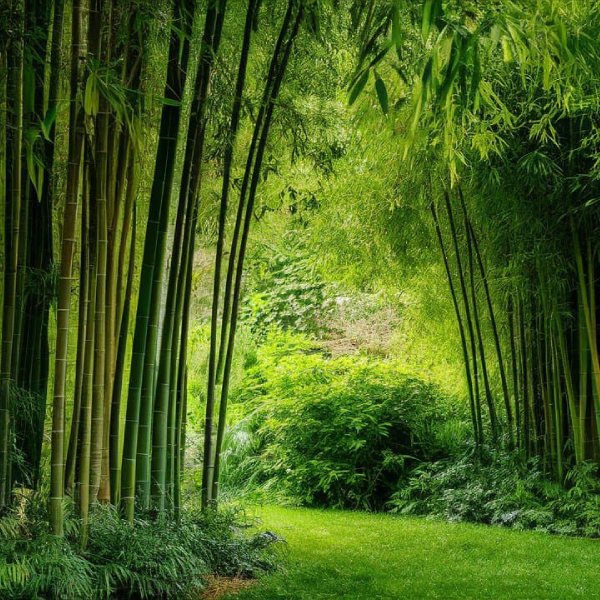
Bamboo Tree
Bamboo is often referred to as "Green Gold" for its exceptional environmental, economic, and cultural significance. This fast growing, woody grass belongs to the Poaceae family and is a renewable resource with a wide range of applications. From construction to food and textiles, bamboo serves as a sustainable alternative to many traditional materials.
Adopt a Bamboo Tree