Kadam Tree
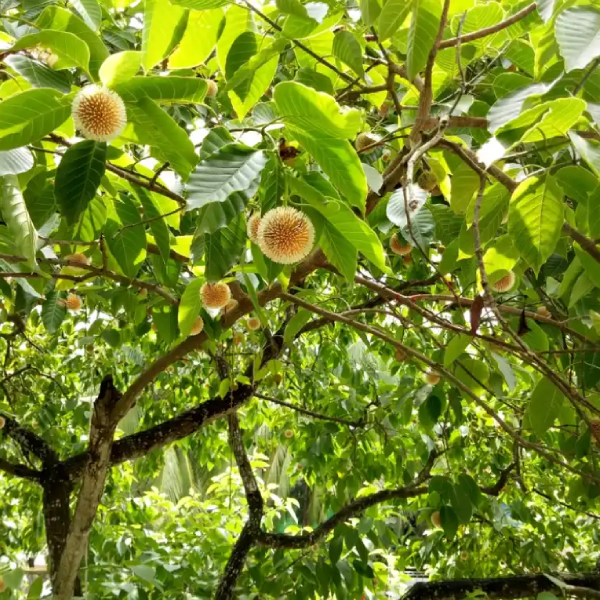
The Kadam Tree (Anthocephalus cadamba) is a fast growing, deciduous tree native to the tropical regions of Southeast Asia, including India. Known for its majestic stature, vibrant flowers, and numerous environmental benefits, this tree is a treasure for both nature and human society. The Kadam tree, also referred to as the Kadamba or Kadam tree, has long been recognized for its role in local ecosystems and its cultural significance.
What you get ?
- Certificate
- Clean Air
- GeoTag
- Carbon Credit
- Pollution free environment
Interested in Adopting?
We don't process direct transactions online. Connect with our team via WhatsApp to discuss adopting this tree and joining our initiatives.
About The Kadam Tree
The Kadam tree, scientifically known as Anthocephalus cadamba, is a tropical evergreen tree native to Southeast Asia and widely found in India. This tree is known for its beauty, resilience, and ecological significance. It is an essential part of many ecosystems, providing a range of benefits from environmental to social, and even cultural.
Benefits of the Kadam Tree
The Kadam tree is easily identifiable by its smooth, greenish-brown bark and glossy, deep green leaves. Below are its common benefits:
- Generates Oxygen : Like many trees, the Kadam tree plays a crucial role in oxygen production. Its large, broad leaves absorb carbon dioxide and release oxygen during photosynthesis, contributing to cleaner air and supporting overall health.
- Canopy Cover: The Kadam tree is known for its dense, broad canopy that offers significant shade, especially in urban environments. This canopy cover helps reduce the heat island effect in cities, providing cooling and comfort to those living in the area.
- Carbon Absorption: The Kadam tree absorbs significant amounts of carbon dioxide, helping mitigate the effects of climate change. As a carbon sink, it helps reduce the amount of greenhouse gases in the atmosphere, playing an important role in global warming reduction.
- Air Pollution Removal: Through its large leaves and extensive root system, the Kadam tree helps remove air pollutants, such as particulate matter and toxic gases, from the atmosphere. This makes it highly valuable in urban and industrial settings.
- Potential for Inducing Rainfall: Trees like the Kadam play a role in influencing local weather patterns. Its canopy helps in regulating moisture levels in the atmosphere, leading to the formation of clouds and potentially enhancing rainfall in surrounding areas, contributing to regional water cycles.
- Supports the Ecosystem: The Kadam tree supports a wide variety of organisms. Its flowers attract bees, butterflies, and birds, while its fruits and leaves provide food for various species. By supporting such a diverse range of life, it plays a vital role in maintaining ecological balance.
- Protects the Ozone Layer: Trees, including the Kadam, contribute indirectly to the protection of the ozone layer. Through their ability to absorb carbon dioxide and release oxygen, they help reduce the concentration of harmful gases in the atmosphere that contribute to ozone layer depletion.
- Long Life Span: The Kadam tree has a long life span, with some trees living for over 100 years. This longevity means that once a Kadam tree is planted, it continues to provide environmental benefits for generations, making it an important long term investment in environmental sustainability.
Key Features of the Kadam Tree
- Scientific Name: Anthocephalus cadamba
- Height: Can grow up to 30 meters tall.
- Flowers: The tree produces small, fragrant, spherical flowers that are usually yellow or orange in color.
- Leaves: Large, glossy, and arranged in whorls, the leaves are a striking feature of the tree.
- Fruit: The Kadam tree bears small, round fruits that are orange and contain several seeds inside.
Cultural and Spiritual Significance of the Kadam Tree
- In many cultures, the Kadam tree holds deep cultural and spiritual significance. In Hinduism, the Kadam tree is often associated with Lord Krishna, who is said to have been fond of the Kadam tree’s fragrant flowers. The tree is sometimes planted near temples or homes for its purifying presence and its association with divine energy.
- The Kadam tree is also symbolic in many folk traditions, where it is considered to bring peace and prosperity to the land. In some regions, it is believed to bring good luck, and people may plant it to ensure a harmonious and prosperous future.
Social Impact of the Kadam Tree
The Kadam tree has a significant social impact in various communities. Here are a few ways it benefits people:
- Medicinal Uses: In traditional medicine, various parts of the Kadam tree are used for treating ailments such as fever, digestive problems, and inflammation. The leaves, flowers, and bark contain compounds that have been used in Ayurvedic medicine for centuries.
- Economic Value: The Kadam tree’s timber is used in construction and woodworking. Its wood is strong and durable, making it a valuable resource for carpentry and building purposes.
- Livelihood for Communities: The tree’s fruits and flowers provide income generating opportunities for local communities. They are often collected for sale in local markets, and the tree’s leaves and bark can be used in herbal medicine or as fodder for livestock.
Conservation and Protection of the Kadam Tree
The Kadam tree is relatively hardy and adaptable, but like many tree species, it faces threats from deforestation and urbanization. Here are several measures that can be taken to conserve and protect the Kadam tree:
- Afforestation and Reforestation: Planting Kadam trees in deforested or barren lands can help restore ecosystems. The tree’s ability to adapt to various soil conditions makes it an ideal candidate for such projects.
- Legal Protection: Legal measures, including banning illegal logging and promoting sustainable forest management, can help protect Kadam trees in their natural habitats.
- Community Involvement: Encouraging local communities to plant and care for Kadam trees can ensure its continued growth and sustainability. By recognizing the social and economic benefits of the tree, communities can play a key role in conservation efforts.
- Awareness Campaigns: Educating the public about the environmental, medicinal, and cultural value of the Kadam tree can help increase its conservation. Environmental NGOs, schools, and local organizations can play an important role in spreading awareness.
- Monitoring and Research: Continued research into the ecology and growth of Kadam trees can help inform better conservation practices and track the health of existing populations.
Impact of your Tree
Releases Oxygen
A mature tree produces around 120 kilograms of oxygen per year, which is sufficient for one human per year.
Reduces Air Pollution
A tree absorbs harmful gases like CO2, NO2 released by factories and vehicles, which can have serious health problems for us
Removes CO2
A Tree removes 22 KGs of CO2 from atmosphere per year, which is equivalent to the CO2 realeased by a human in 10 days.
Cooling Effect
A Tree generates cooling effect of around 10 room size ACs by providing shade and through a process of transpiration.
Some Latest Article From Our Blog
Explore Other Species
Every tree plays a unique role in our ecosystem.
Moringa ( Sahjan ) Tree
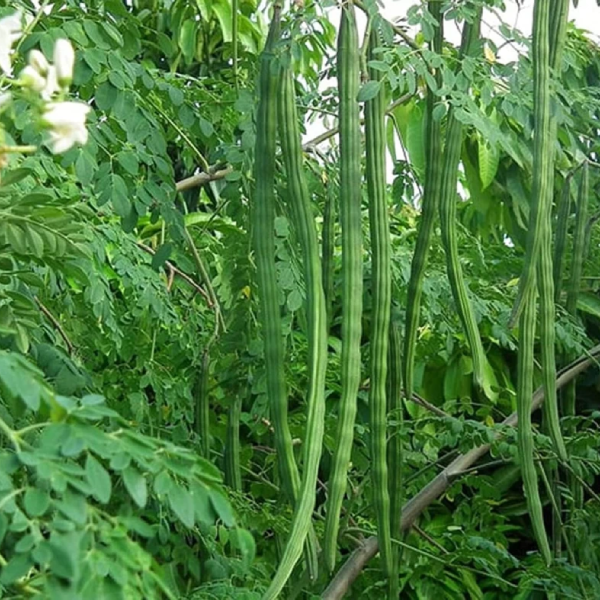
The Moringa tree, also known as Sahjan in Hindi, Drumstick Tree, or Moringa oleifera, is a versatile and fast growing tree native to the Indian subcontinent. Renowned for its numerous health benefits and ecological contributions, the Moringa tree has earned its title as the "Tree of Life." Its every part leaves, seeds, pods, flowers, and bark is beneficial to both humans and the environment. The Moringa (Sahjan) tree is a remarkable gift from nature, offering a multitude of benefits for health, the environment, and society. Its role in combating climate change, improving nutrition, and supporting biodiversity makes it a vital tree for both current and future generations.
Adopt a Moringa ( Sahjan ) Tree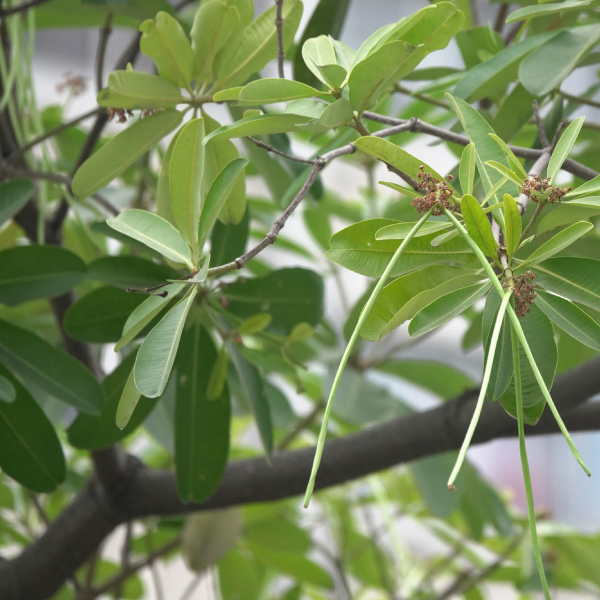
Saptparni Tree
The Saptparni tree absorbs carbon dioxide and releases oxygen, contributing significantly to improving air quality.
Adopt a Saptparni Tree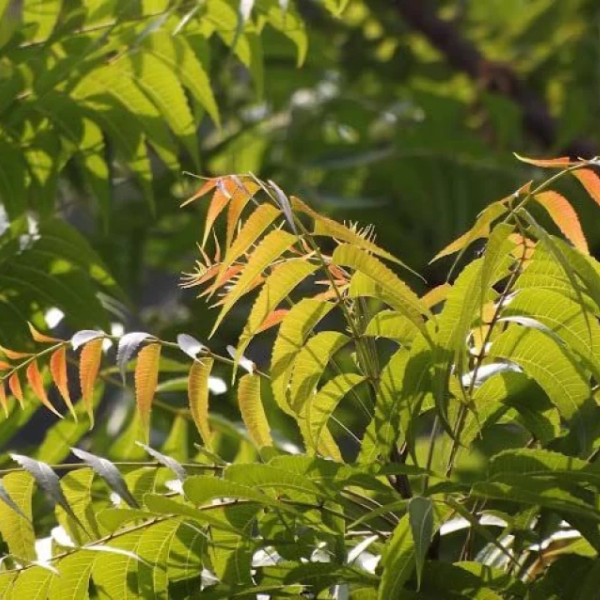
Neem Tree
The Neem tree (Azadirachta indica) is a versatile and sustainable tree that has been revered for its medicinal, ecological, and cultural significance for centuries. Native to the Indian subcontinent, the Neem tree thrives in tropical and subtropical climates and is known for its ability to adapt to various environmental conditions. Often referred to as the "village pharmacy" due to its numerous health benefits, the Neem tree is an essential part of traditional medicine, agriculture, and sustainable development.
Adopt a Neem Tree