Neem Tree
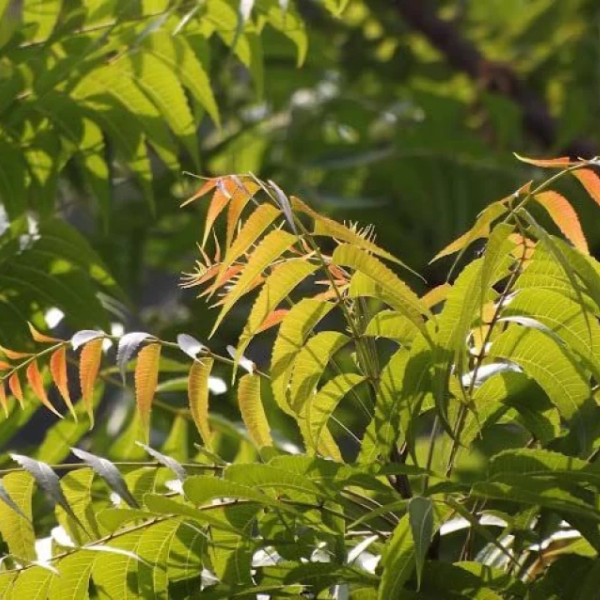
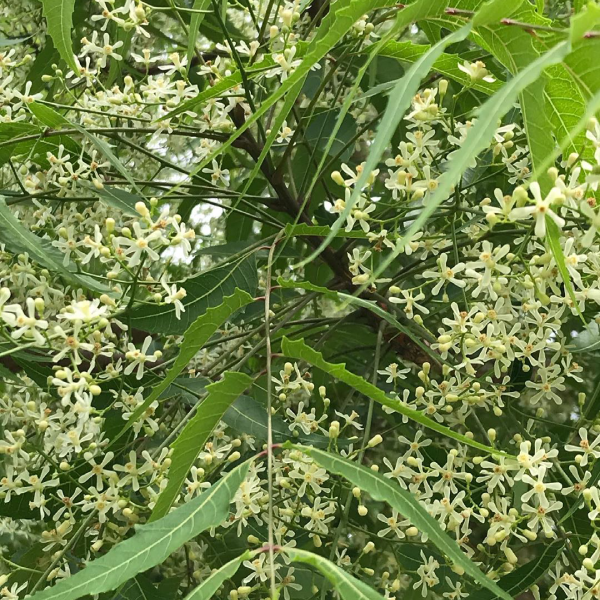
The Neem tree (Azadirachta indica) is a versatile and sustainable tree that has been revered for its medicinal, ecological, and cultural significance for centuries. Native to the Indian subcontinent, the Neem tree thrives in tropical and subtropical climates and is known for its ability to adapt to various environmental conditions. Often referred to as the “village pharmacy” due to its numerous health benefits, the Neem tree is an essential part of traditional medicine, agriculture, and sustainable development.
What you get ?
- Certificate
- Clean Air
- GeoTag
- Carbon Credit
- Pollution free environment
Interested in Adopting?
We don't process direct transactions online. Connect with our team via WhatsApp to discuss adopting this tree and joining our initiatives.
About The Neem Tree
The Neem tree (Azadirachta indica), often called the "village pharmacy," is one of the most versatile and beneficial trees in the world. Native to the Indian subcontinent, this evergreen tree has been celebrated for centuries for its medicinal, environmental, and agricultural benefits.
Benefits of the Neem tree
The Neem tree (Azadirachta indica) is not only known for its medicinal uses but also for the numerous environmental benefits it offers. Below are the common advantages that this versatile tree brings to the ecosystem and the planet:
- Generates Oxygen : Oxygen Production: Neem trees contribute to generating oxygen through photosynthesis, a vital process that helps maintain the balance of gases in the atmosphere.
Air Quality Improvement: By absorbing carbon dioxide, they release oxygen, making the air cleaner and supporting healthier living conditions. - Canopy Cover : Shade and Shelter: The Neem tree’s broad canopy provides shade, which helps cool down the surrounding environment.
Urban Heat Island Mitigation: By reducing heat, it contributes to the cooling of urban areas, mitigating the urban heat island effect. - Carbon Absorption : Carbon Sequestration: Neem trees absorb significant amounts of carbon dioxide, a major greenhouse gas, helping to reduce its concentration in the atmosphere.
Climate Change Mitigation: This carbon absorption plays a role in slowing down global warming and climate change. - Air Pollution Removal : Natural Air Filter: Neem trees help to filter and remove pollutants from the air, including particulate matter and toxic gases.
Improved Health: This leads to improved air quality, reducing respiratory issues and enhancing overall public health. - Potential for Inducing Rainfall : Microclimate Influence: The presence of Neem trees can contribute to improved local humidity, helping to create favorable conditions for rain.
Drought Resistance: By increasing moisture levels in the atmosphere, Neem trees can potentially enhance rainfall in dry regions. - Supports the Ecosystem: Wildlife Habitat: Neem trees provide shelter and food for a variety of wildlife species, including birds, insects, and small mammals.
Biodiversity Enhancement: The tree supports biodiversity by creating a balanced ecosystem that nurtures various organisms. - Protects the Ozone Layer : Reduction of Harmful Chemicals: Neem trees help minimize the need for chemical pesticides and fertilizers, which can harm the ozone layer.
Eco-Friendly Agriculture: By promoting organic farming, Neem trees contribute to protecting the ozone layer from depletion caused by harmful agricultural chemicals. - Long Life Span : Durability: Neem trees are long lived, often thriving for 150 to 200 years.
Sustainable Contribution: Their long lifespan ensures that they continue to provide environmental benefits over many generations.
Key Features of the Neem Tree
- Botanical Name: Azadirachta indica
- Common Names: Neem, Indian Lilac, Village Pharmacy
- Lifespan: 150 to 200 years
- Flowering Season: Spring to early summer
Social and Cultural Significance of the Neem Tree
- Sacred Symbol : In Indian culture, the Neem tree is revered as sacred and is often planted near homes and temples to bring protection, health, and prosperity. It is considered a symbol of purity, wisdom, and fertility.
- Ayurvedic Tradition : Neem is a cornerstone in Ayurveda, the traditional system of medicine. Its numerous benefits are documented in ancient texts, and it continues to be used in various forms such as powders, oils, and extracts for holistic healing.
- Ritual and Ceremony : In many parts of India, neem leaves are used during religious ceremonies, weddings, and festivals for their purifying properties. The tree is often seen as a guardian of good health and protection from harmful energies.
Social Impact of the Neem tree
The Neem tree (Azadirachta indica) is not only beneficial for the environment and health but also has a significant social impact. Its widespread use and integration into communities around the world contribute to various aspects of social development, from public health to economic growth. Below are some key ways the Neem tree positively affects society:
- Enhancing Public Health and Well being
- Economic Empowerment
- Environmental Awareness and Sustainability
- Social Empowerment of Women
- Social Cohesion and Community Well being
- Education and Awareness
Conservation and Protection of the Neem tree
The Neem tree (Azadirachta indica) is a crucial component of the ecosystem, offering numerous environmental, health, and social benefits. However, like many valuable plant species, it faces threats from urbanization, deforestation, and climate change. Effective conservation and protection measures are essential to preserve this remarkable tree for future generations. Below are key strategies and practices to ensure the Neem tree's survival and continued contribution to society and the environment.
-
- Promoting Awareness and Education
- Sustainable Harvesting Practices
- Reforestation and Afforestation Efforts
- Protection from Pests and Diseases
- Legal Protection and Policy Development
- Protection of Biodiversity and Ecosystems
- Encouraging Organic and Sustainable Farming Practices
- Scientific Research and Conservation
Impact of your Tree
Releases Oxygen
A mature tree produces around 120 kilograms of oxygen per year, which is sufficient for one human per year.
Reduces Air Pollution
A tree absorbs harmful gases like CO2, NO2 released by factories and vehicles, which can have serious health problems for us
Removes CO2
A Tree removes 22 KGs of CO2 from atmosphere per year, which is equivalent to the CO2 realeased by a human in 10 days.
Cooling Effect
A Tree generates cooling effect of around 10 room size ACs by providing shade and through a process of transpiration.
Some Latest Article From Our Blog
Explore Other Species
Every tree plays a unique role in our ecosystem.
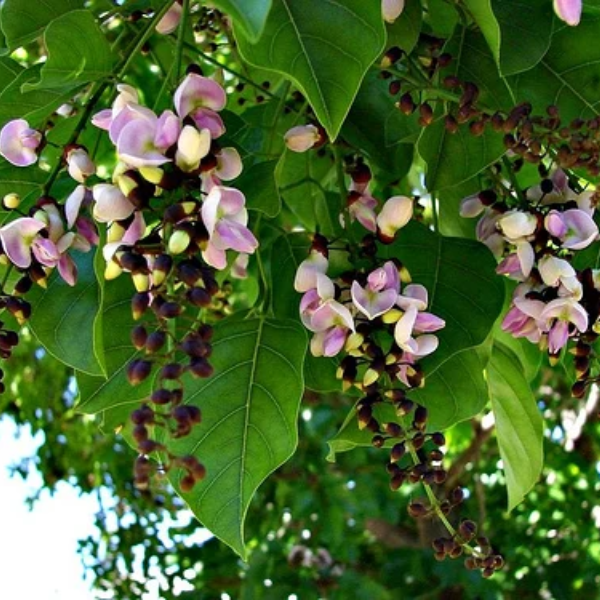
Karanj ( Kaanji ) Tree
The Karanj tree (Pongamia pinnata), also known as Kaanji in certain regions, is a medium to large sized deciduous tree that is native to the Indian subcontinent and parts of Southeast Asia. Recognized for its numerous environmental, medicinal, and economic benefits, the Karanj tree is a versatile and valuable addition to the landscape. Its resilience to a variety of climatic conditions and its ability to thrive in poor soils make it an essential tree for sustainable development and environmental restoration.
Adopt a Karanj ( Kaanji ) Tree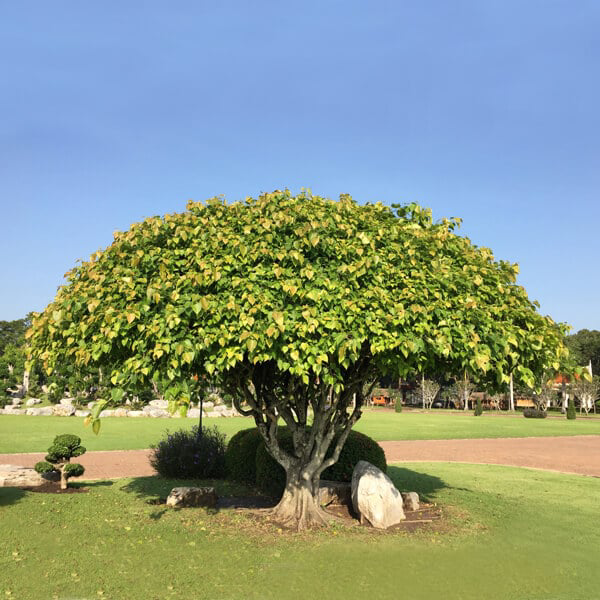
Pipal Tree
The Pipal tree, scientifically known as Ficus religiosa, is a majestic and revered species native to the Indian subcontinent. Known for its spiritual, ecological, and cultural significance, this tree has been a symbol of life, wisdom, and prosperity for centuries. Its distinct heart shaped leaves and expansive canopy make it easily recognizable, while its deep roots and enduring presence in various religious and cultural traditions elevate it as a sacred figure in many communities.
Adopt a Pipal Tree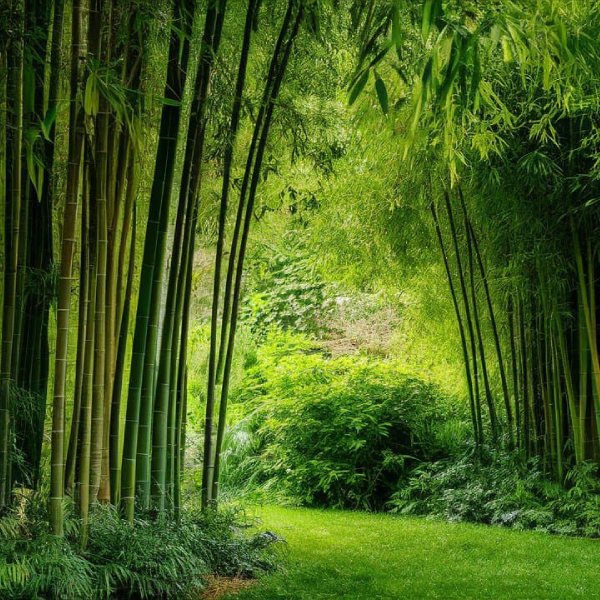
Bamboo Tree
Bamboo is often referred to as "Green Gold" for its exceptional environmental, economic, and cultural significance. This fast growing, woody grass belongs to the Poaceae family and is a renewable resource with a wide range of applications. From construction to food and textiles, bamboo serves as a sustainable alternative to many traditional materials.
Adopt a Bamboo Tree