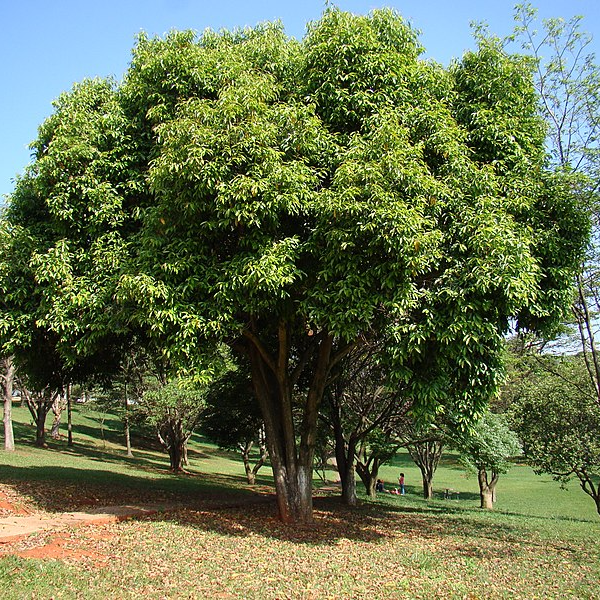
Janbun Tree
The Janbun tree, known for its remarkable environmental and cultural importance, is a valuable addition to the natural ecosystem. Revered for its lush canopy and ecological benefits, this tree plays a critical role in improving air quality, supporting biodiversity, and contributing to sustainability. Its robust nature and adaptability make it a preferred choice for reforestation, urban greenery, and community driven planting initiatives.
What you get ?
- Certificate
- Clean Air
- GeoTag
- Carbon Credit
- Pollution free environment
Interested in Adopting?
We don't process direct transactions online. Connect with our team via WhatsApp to discuss adopting this tree and joining our initiatives.
About The Janbun Tree
The Janbun tree is a treasure trove of environmental, social, and cultural benefits. Its ability to purify the air, support ecosystems, and provide shade makes it an indispensable asset for sustainable development. By embracing the Janbun tree in conservation initiatives, we take a vital step toward a greener and healthier planet.
Benefits of the Janbun Tree
The Janbun tree offers an extensive range of benefits, making it a cornerstone for ecological conservation:
- Generates Oxygen: The Janbun tree is a natural oxygen generator, contributing significantly to a healthier atmosphere by releasing large amounts of oxygen during photosynthesis.
- Canopy Cover: Its broad and dense canopy provides shade, reduces urban heat, and mitigates the effects of deforestation.
- Carbon Absorption: Its rapid growth rate allows bamboo to absorb high amounts of carbon dioxide, making it a natural carbon sink.
- Carbon Absorption: Janbun trees are effective in absorbing carbon dioxide, helping to reduce greenhouse gas levels and combat global warming.
- Air Pollution Removal: By filtering harmful pollutants and particulates, the Janbun tree serves as a natural air purifier.
- Support for Potential Rains: Its role in maintaining the water cycle through transpiration contributes to creating favorable conditions for rainfall.
- Ecosystem Support: The tree provides shelter and sustenance for a variety of birds, insects, and small mammals, fostering a thriving ecosystem.
- Protect the Ozone Layer: By being a sustainable alternative to environmentally harmful practices, the Janbun tree indirectly helps protect the ozone layer.
- Long Life Span: Known for its resilience and longevity, the Janbun tree continues to offer benefits for decades, contributing to long term ecological balance.
Key Features of the Janbun Tree
- Resilience: The Janbun tree is highly adaptable to different climates, thriving in both urban and rural environments.
- Shade and Cooling Effect: Its wide canopy reduces the ambient temperature, creating cooler microclimates.
- Soil Enrichment: Its leaf litter decomposes into nutrient rich humus, enriching the soil and supporting plant growth.
- Aesthetic Appeal: The Janbun tree’s lush greenery adds beauty to landscapes, enhancing the visual appeal of urban and natural spaces.
Cultural and Spiritual Significance of the Janbun Tree
In many cultures, the Janbun tree is seen as a symbol of life and prosperity. It is often planted near temples, homes, and community centers, signifying its importance in spiritual practices. The tree is associated with wisdom and protection, featuring prominently in folklore and traditions.
Social Impact of the Janbun Tree
- Community Building: Tree planting drives centered around the Janbun tree bring communities together, fostering collaboration and environmental stewardship.
- Health Benefits: By improving air quality and reducing pollution, the tree contributes to better public health.
- Economic Opportunities: The tree’s leaves, bark, or other components may have medicinal or economic value, supporting local industries and livelihoods.
Conservation and Protection of the Janbun Tree
Protecting the Janbun tree is crucial for maintaining its ecological and cultural contributions. Efforts must focus on:
- Sustainable Planting: Promoting Janbun tree plantations in deforested and urban areas.
- Awareness Campaigns: Educating communities about its benefits and the need for preservation.
- Legislation: Enforcing policies to protect existing Janbun trees from deforestation or illegal logging.
Impact of your Tree
Releases Oxygen
A mature tree produces around 120 kilograms of oxygen per year, which is sufficient for one human per year.
Reduces Air Pollution
A tree absorbs harmful gases like CO2, NO2 released by factories and vehicles, which can have serious health problems for us
Removes CO2
A Tree removes 22 KGs of CO2 from atmosphere per year, which is equivalent to the CO2 realeased by a human in 10 days.
Cooling Effect
A Tree generates cooling effect of around 10 room size ACs by providing shade and through a process of transpiration.
Some Latest Article From Our Blog
Explore Other Species
Every tree plays a unique role in our ecosystem.
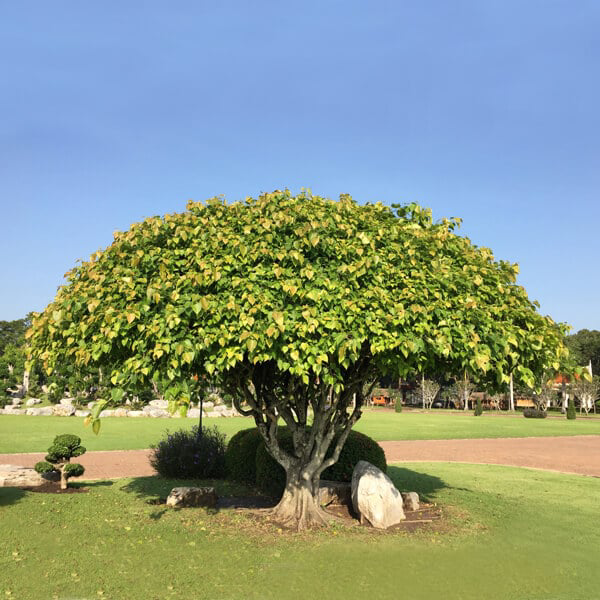
Pipal Tree
The Pipal tree, scientifically known as Ficus religiosa, is a majestic and revered species native to the Indian subcontinent. Known for its spiritual, ecological, and cultural significance, this tree has been a symbol of life, wisdom, and prosperity for centuries. Its distinct heart shaped leaves and expansive canopy make it easily recognizable, while its deep roots and enduring presence in various religious and cultural traditions elevate it as a sacred figure in many communities.
Adopt a Pipal Tree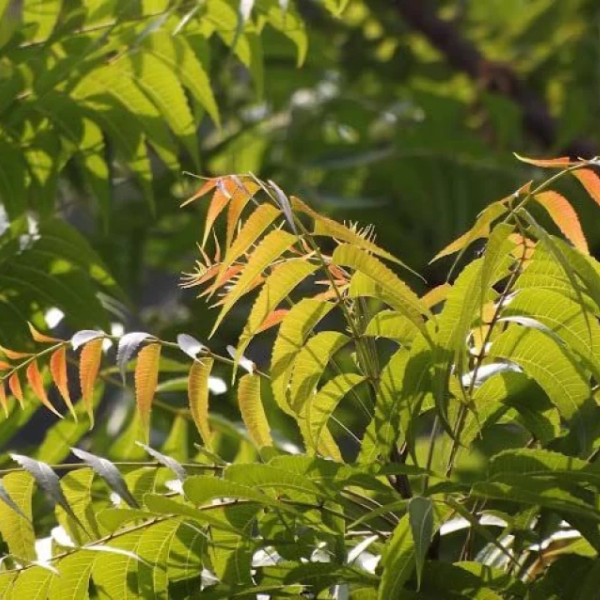
Neem Tree
The Neem tree (Azadirachta indica) is a versatile and sustainable tree that has been revered for its medicinal, ecological, and cultural significance for centuries. Native to the Indian subcontinent, the Neem tree thrives in tropical and subtropical climates and is known for its ability to adapt to various environmental conditions. Often referred to as the "village pharmacy" due to its numerous health benefits, the Neem tree is an essential part of traditional medicine, agriculture, and sustainable development.
Adopt a Neem Tree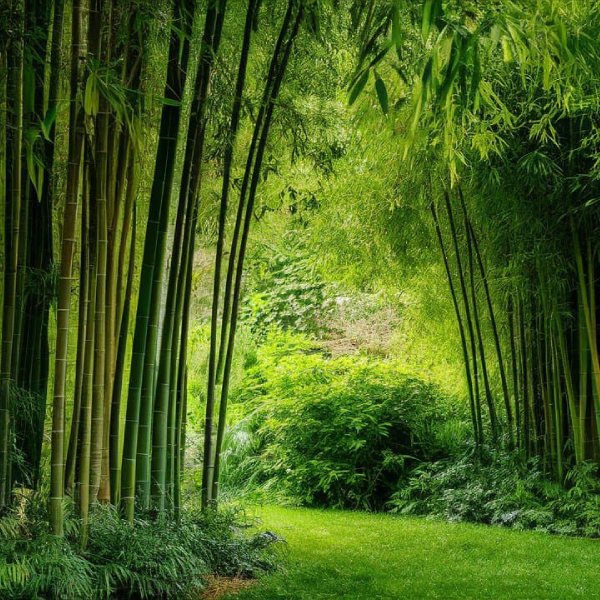
Bamboo Tree
Bamboo is often referred to as "Green Gold" for its exceptional environmental, economic, and cultural significance. This fast growing, woody grass belongs to the Poaceae family and is a renewable resource with a wide range of applications. From construction to food and textiles, bamboo serves as a sustainable alternative to many traditional materials.
Adopt a Bamboo Tree