Pipal Tree
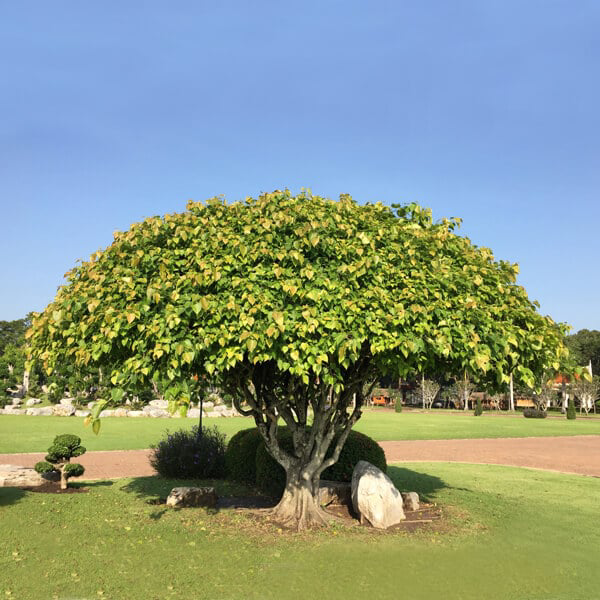
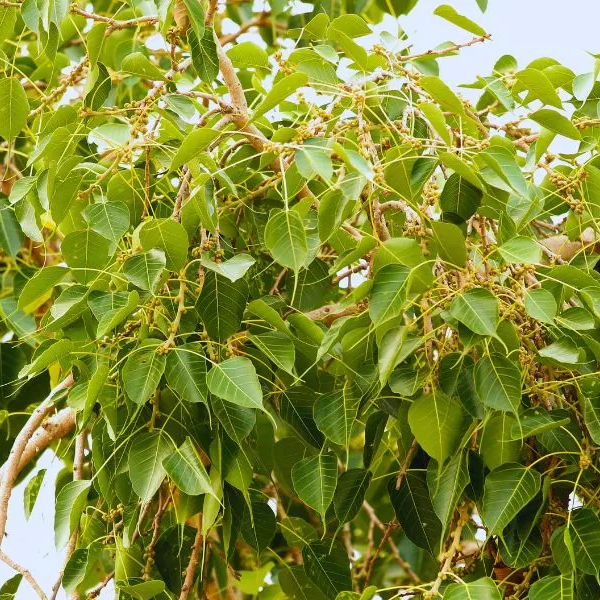
The Pipal tree, scientifically known as Ficus religiosa, is a majestic and revered species native to the Indian subcontinent. Known for its spiritual, ecological, and cultural significance, this tree has been a symbol of life, wisdom, and prosperity for centuries. Its distinct heart shaped leaves and expansive canopy make it easily recognizable, while its deep roots and enduring presence in various religious and cultural traditions elevate it as a sacred figure in many communities.
What you get ?
- Certificate
- Clean Air
- GeoTag
- Carbon Credit
- Pollution free environment
Interested in Adopting?
We don't process direct transactions online. Connect with our team via WhatsApp to discuss adopting this tree and joining our initiatives.
About The Pipal Tree
The Pipal Tree (Ficus religiosa)also known as the sacred fig, holds a significant place in culture, spirituality, and ecology. Found abundantly in the Indian subcontinent and other tropical regions, this majestic tree is revered for its multifaceted benefits. With its heart shaped leaves, expansive canopy, and spiritual associations, the Pipal tree is a symbol of life, growth, and serenity.
Benefits of the Pipal Tree
The Pipal Tree (Ficus religiosa) is renowned for its ecological and environmental contributions. Below are its common benefits:
- Generates Oxygen : The Pipal tree is unique as it produces oxygen not just during the day but also at night through a special photosynthesis process, improving air quality significantly.
- Canopy Cover : With its expansive canopy, the Pipal tree provides shade and helps reduce surface temperatures, making it an excellent natural coolant for hot climates.
- Carbon Absorption : The tree efficiently absorbs carbon dioxide, playing a vital role in mitigating the effects of climate change by reducing greenhouse gases in the atmosphere.
- Air Pollution Removal : Its leaves and bark trap dust and harmful particles, contributing to cleaner air. The tree also absorbs pollutants like sulfur dioxide and nitrogen dioxide, improving overall air quality.
- Potential for Inducing Rainfall : The Pipal tree contributes to atmospheric moisture through transpiration, potentially influencing local rainfall patterns and improving water cycles.
- Supports the Ecosystem : As a keystone species, the Pipal tree provides food, shelter, and habitat for various birds, insects, and small mammals, fostering biodiversity.
- Protects the Ozone Layer : By absorbing harmful greenhouse gases, the Pipal tree indirectly aids in reducing ozone layer depletion, promoting a healthier planet.
- Long Life Span : Capable of living for centuries, the Pipal tree is a symbol of endurance and longevity. Its long lifespan allows it to contribute to the environment and communities for generations.
Key Features of the Pipal Tree
- Botanical Name: Ficus religiosa
- Common Names: Sacred fig, Ashvattha tree, Bo tree
- Lifespan: The Pipal tree can live for centuries, making it a symbol of longevity.
- Appearance: It has smooth, grey bark and distinctive heart shaped leaves with long, tapering tips.
Cultural and Spiritual Significance of the Pipal Tree
- In Hinduism: The Pipal tree is often associated with Lord Vishnu and is worshipped as a sacred entity. People perform rituals and prayers under the tree, believing it brings prosperity and removes obstacles.
- In Buddhism: Gautama Buddha attained enlightenment under a Pipal tree, referred to as the Bodhi Tree. This event elevates the tree to a symbol of wisdom and spiritual awakening.
- In Jainism: It is mentioned in Jain scriptures as a sacred tree under which divine events occurred.
Social Impact of the Pipal Tree
The Pipal tree serves as a hub for community gatherings in villages, fostering social interaction and unity. Its shade is a resting place for travelers, while its cultural significance brings people together during rituals and festivals.
Conservation and Protection of the Pipal Tree
Given its immense value, preserving the Pipal tree is crucial. Efforts to plant and protect these trees can contribute to environmental sustainability, cultural heritage, and community well-being.
Impact of your Tree
Releases Oxygen
A mature tree produces around 120 kilograms of oxygen per year, which is sufficient for one human per year.
Reduces Air Pollution
A tree absorbs harmful gases like CO2, NO2 released by factories and vehicles, which can have serious health problems for us
Removes CO2
A Tree removes 22 KGs of CO2 from atmosphere per year, which is equivalent to the CO2 realeased by a human in 10 days.
Cooling Effect
A Tree generates cooling effect of around 10 room size ACs by providing shade and through a process of transpiration.
Some Latest Article From Our Blog
Explore Other Species
Every tree plays a unique role in our ecosystem.
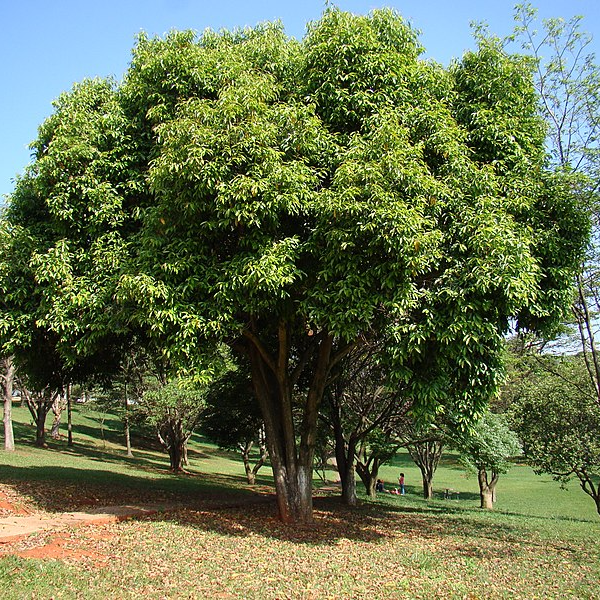
Janbun Tree
The Janbun tree, known for its remarkable environmental and cultural importance, is a valuable addition to the natural ecosystem. Revered for its lush canopy and ecological benefits, this tree plays a critical role in improving air quality, supporting biodiversity, and contributing to sustainability. Its robust nature and adaptability make it a preferred choice for reforestation, urban greenery, and community driven planting initiatives.
Adopt a Janbun Tree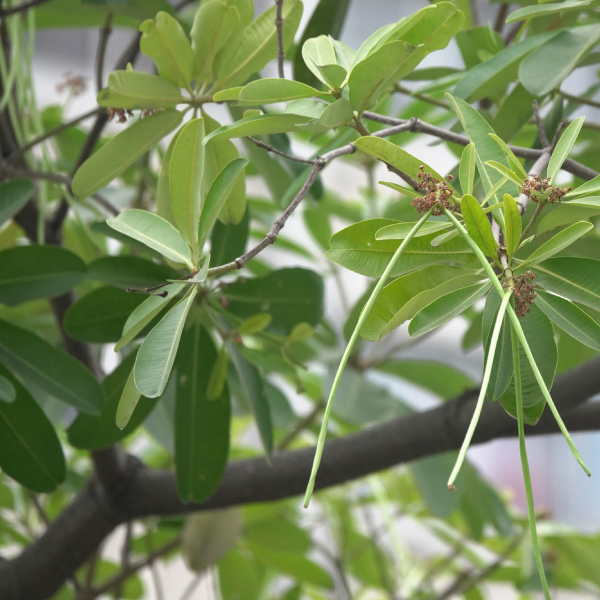
Saptparni Tree
The Saptparni tree absorbs carbon dioxide and releases oxygen, contributing significantly to improving air quality.
Adopt a Saptparni Tree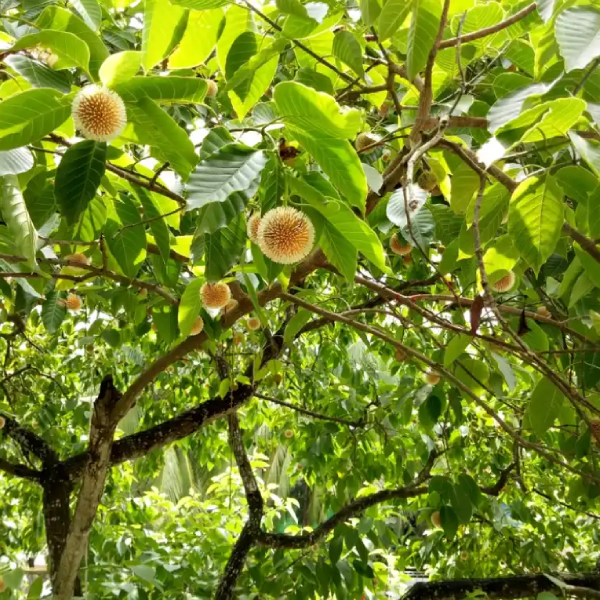
Kadam Tree
The Kadam Tree (Anthocephalus cadamba) is a fast growing, deciduous tree native to the tropical regions of Southeast Asia, including India. Known for its majestic stature, vibrant flowers, and numerous environmental benefits, this tree is a treasure for both nature and human society. The Kadam tree, also referred to as the Kadamba or Kadam tree, has long been recognized for its role in local ecosystems and its cultural significance.
Adopt a Kadam Tree